You know that feeling when you walk into a friend’s house and it just… works? It feels put together, but also lived-in. Cozy, but not cluttered. You sink into the couch and think, “How did they do this?”
Then you look at your own living room. Maybe there’s that one wall that’s been bare for a year. The rug that’s definitely too small. The lamp cords trailing everywhere. You buy things you like, but when you get them home, they just don’t sing together. It’s frustrating. I’ve been there, feeling completely lost.
Here’s the secret no one tells you. Those “perfect” homes usually follow a few simple, timeless rules. It’s not about having a giant budget or innate talent. It’s about knowing the basics—the Decorating 101 stuff—that act like a recipe. Once you know them, you can start breaking them in ways that actually look cool.
I learned this the hard way, through years of my own awkward phases (hello, my “everything is beige” period). This guide is the one stop solution, practical advice I wish I’d had. Let’s ditch the overwhelm and build your confidence your dream home.
1. The Color Rule That Never Lets You Down (60-30-10)
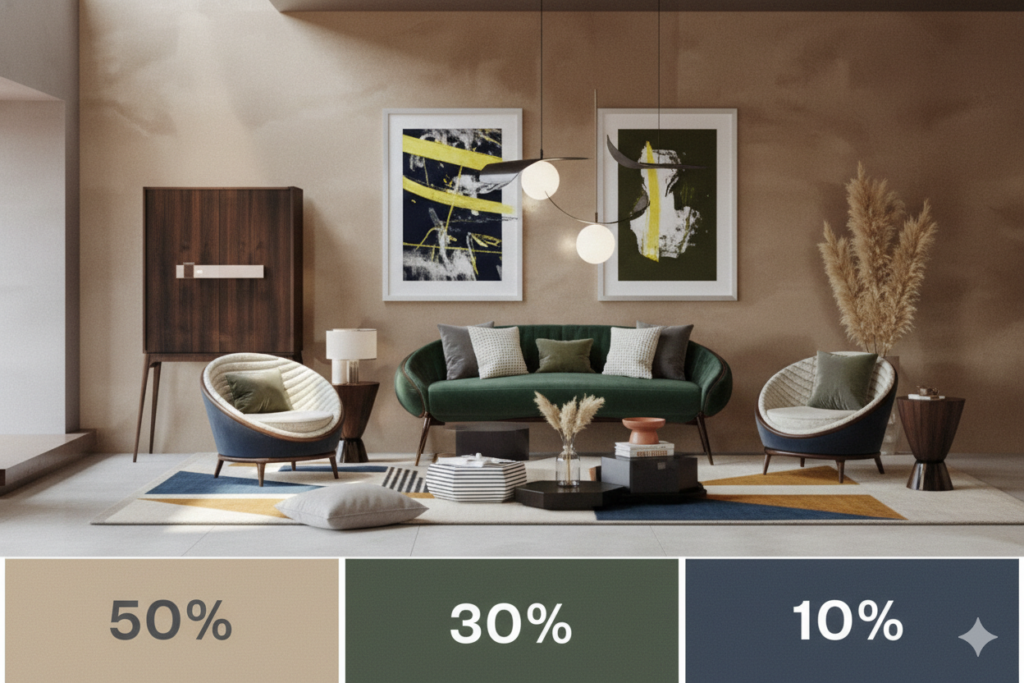
Picking colors can paralyze you. Do these blues match? Is this too much? Enter the 60-30-10 rule, my absolute lifesaver. It’s not strict law, but a guideline that prevents a chaotic rainbow effect in your home.
- 60% is your room’s main color. Think of this as the backdrop: your walls, maybe a large sofa, or an area rug. It’s the calm, neutral base.
- 30% is your secondary color. This adds some pep. It could be anything like curtains, an accent chair, or a painted piece of furniture.
- 10% is your pop, your personality This is the fun part—decorative pillows, a vibrant piece of art, a vase, or books.
My hack: Start backward. Find a throw pillow or artwork you’re passianate about. Pull your three colors from there. Now you’ve got a palette that’s guaranteed to work.
2. The Tape Measure is Your Most Important Tool
I can’t tell you how many times I’ve fallen in love with a console table online, only to realize in my driveway that it’s a foot too long for the space. Measure everything. Twice.
- Get your room’s dimensions, and note all the where outlets, vents, and light switches are.
- Always check the scale of furniture. That gorgeous, deep sofa might swallow a small room.
- Pro tip from my many mistakes: Use painter’s tape to mark out the footprint of a potential new piece on your floor. Live with it for a day. Walk around it. This saves so much hassle.
3. Light is Everything—Layer It
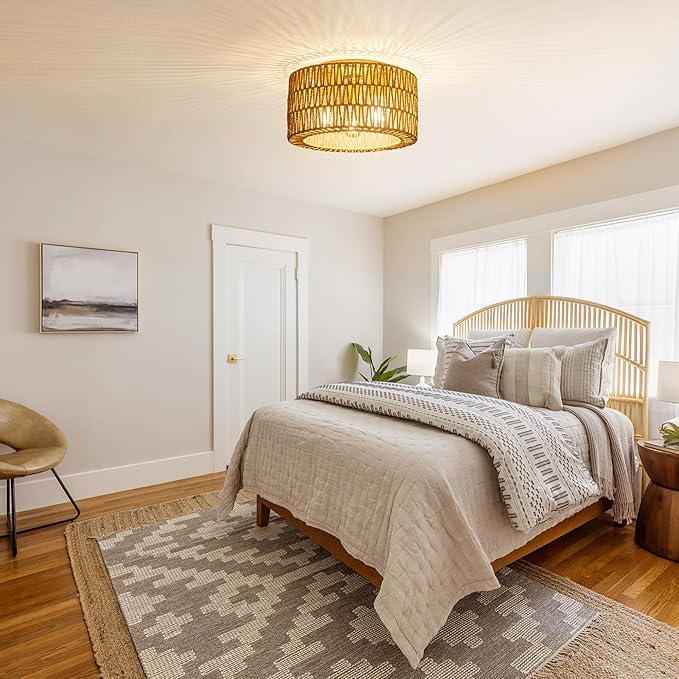
That glaring single overhead light? It’s the enemy of coziness. It feels like a waiting room. You want a mix, like layers on a cake.
- Ambient light is your base layer (ceiling fixtures, recessed lights).
- Task light is for, well, tasks (a great reading lamp by your armchair, a pendant over the kitchen island).
- Accent light is the glamour (a small picture light over art, fairy lights in a plant).
Aim for at least three sources of light in any main room. And if you remember nothing else, get dimmer switches. They’re cheap to install and transform a room from “bright and busy” to “calm and chic” in a second.
4. The Rug Rule: Go Big or Well, Just Go Big
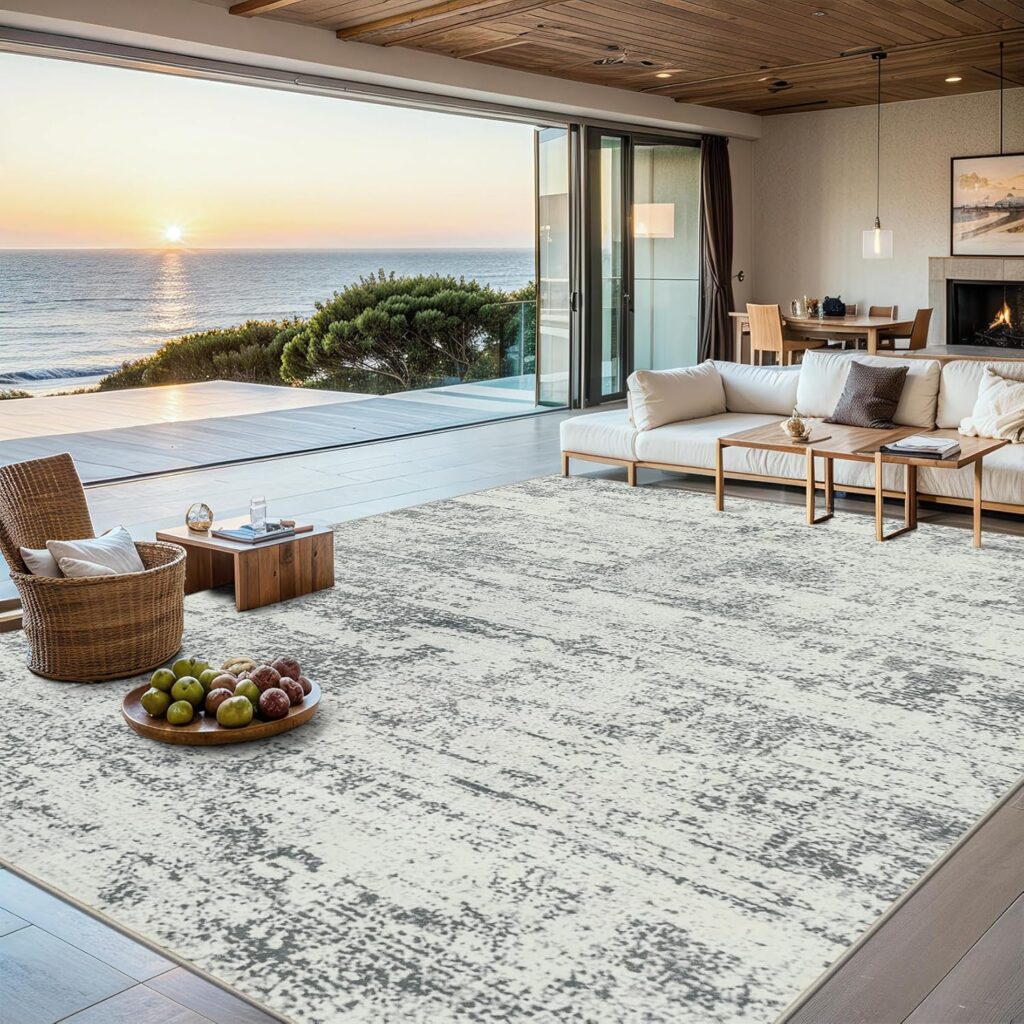
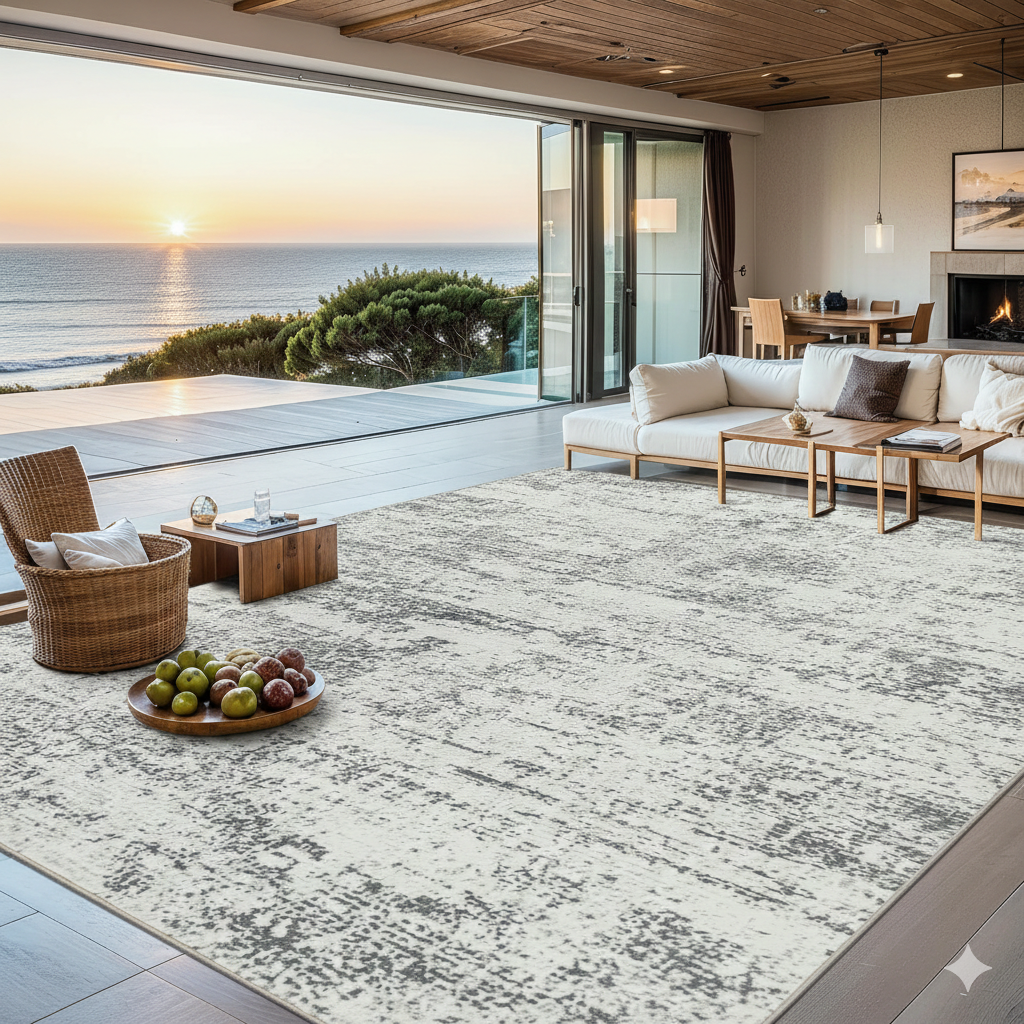
This is the number one mistake I see. A too-small rug makes a room look cheap and disjointed, like it’s floating away.
- In the living room, you have two good options: All furniture legs on the rug, or just the front legs of key pieces on it. Either way, it should feel connected.
- Under the dining table, make sure the rug extends out so that when chairs are pulled back, they’re still on the rug. No one likes catching a chair leg on the edge mid-bite.
What I’d buy today: If you’re nervous about commitment or have a messy life (kids, pets, clumsy coffee drinkers like me), Ruggable has been a game-changer. They’re washable, which takes the fear out of buying a lighter color. Best for anyone who wants style without the stress.
5. Give Your Eyes a Place to Land (The Focal Point)
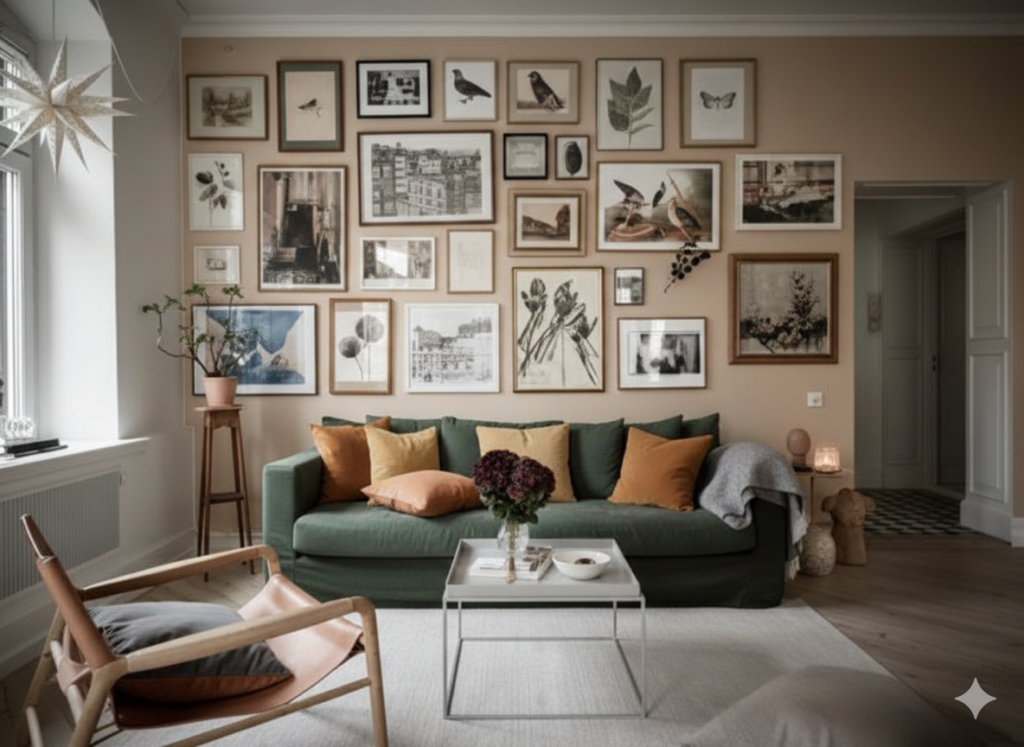
Every room needs a star. A natural focal point could be a fireplace, a big window with a view, or an architectural detail. No fireplace? No problem. Create one.
- Design a gallery wall over your sofa.
- Use a bold, statement piece of art.
- Paint one wall a dramatic color.
- Make your bed the star with an incredible headboard.
Once you’ve chosen it, arrange your furniture to point towards it. It instantly makes a room feel intentional.
6. Hang Art and Curtains Like a Pro
Wrong height = constant, subtle “off” feeling.
- Art: The middle of the piece (or grouping) should be at about 57-60 inches from the floor—roughly average eye level. When hanging over a sofa, leave just a fist’s width (6-10 inches) of space between the couch and the frame.
- Curtains: Please, hang them high and wide. Install the rod several inches above the window frame, and extend it well past the sides. This tricks the eye into thinking your windows are huge. Let the curtains just graze the floor or pool slightly for a luxe look.
7. Edit Like a Magazine Stylist (Less is More)
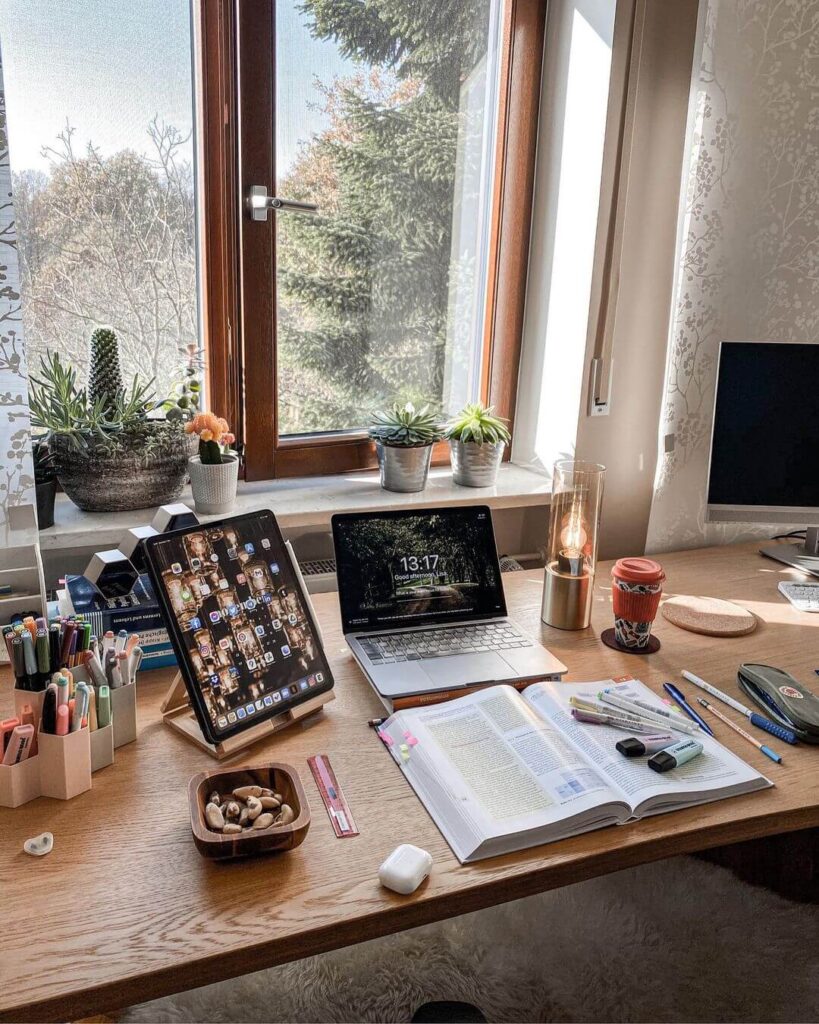
Accessorizing isn’t about filling every surface. It’s about thoughtful curation. I used to put every knick-knack out, and it just looked like clutter.
- Group items in odd numbers (1, 3, 5) which is more dynamic to our eyes.
- Vary heights and textures: a tall candle, a medium stack of books, a small ceramic bowl.
- Leave breathing room. An empty spot on a shelf is powerful.
8. Break the Rules—With Your Personality
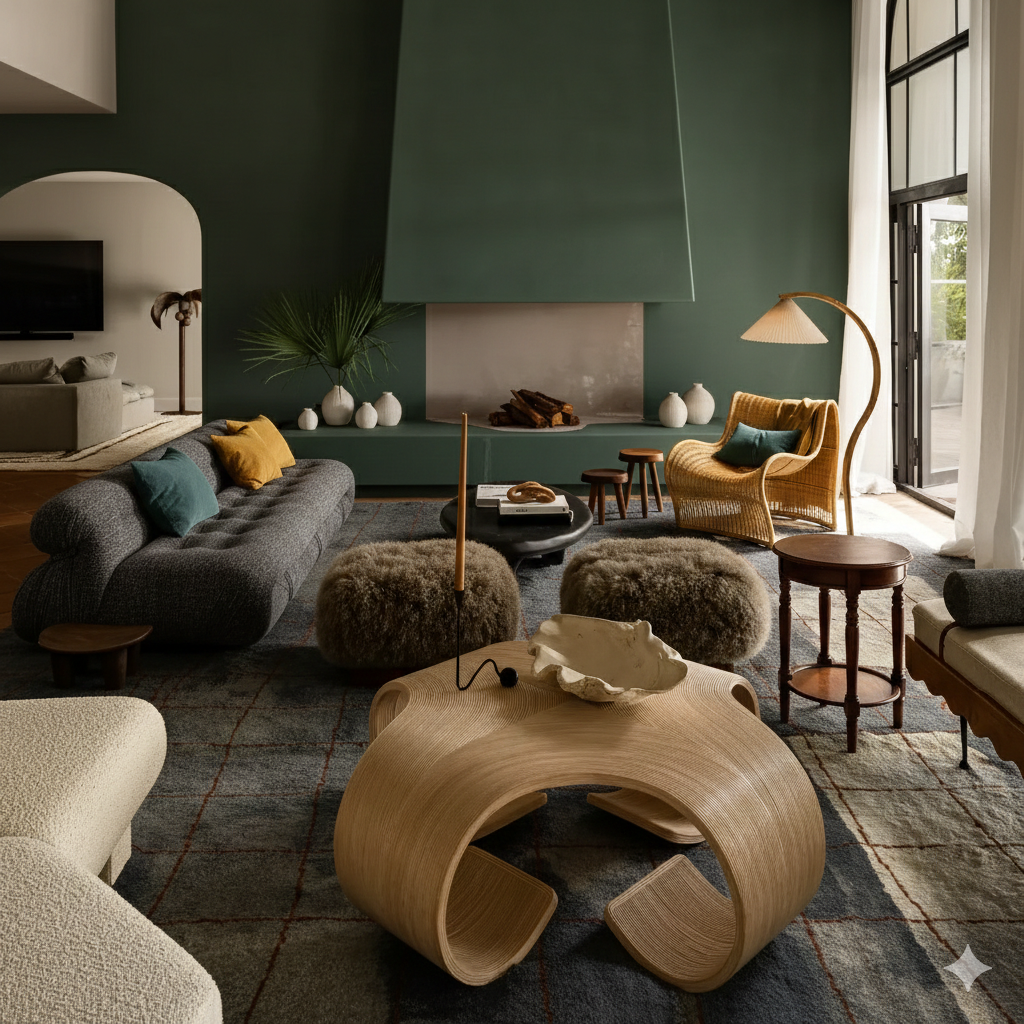
This is the most important part. The rules are your foundation, but your home should scream you, not “generic stylish catalog.”
- That weird painting you bought at a flea market? Hang it proudly.
- Mix your grandma’s vintage side table with your modern Ikea sofa.
- Display your collection of sea glass or vintage cameras.
The rules create harmony so your personal treasures can truly shine, instead of getting lost in the chaos.
So, Where Do You Actually Start Shopping?
It’s a jungle out there. Here’s my tried-and-true shortlist:
- For a Can’t-Go-Wrong Sofa: Look at Article. Their stuff is modern, comfy, and a great mid-point between quality and price. Worth buying if you want a clean, contemporary base piece that will last.
- For Paint: Just bite the bullet and go with Benjamin Moore or Sherwin-Williams. The coverage and color depth are noticeably better than bargain brands. Trust me on this.
- For “I Don’t Know My Style Yet”: Spend an hour on Pinterest not just pinning, but asking why you like a room. Is it the colors? The coziness? The clean lines? Find the common thread.
Quick Rug Comparison:
- Wool: Feels amazing, durable, classic. Pros: Natural, ages beautifully. Cons: Pricier, can shed.
- Polypropylene (like Ruggable): The practical hero. Pros: Stain-resistant, affordable, washable. Cons: Doesn’t have the plush feel of wool.
- Jute/Natural Fiber: Great for texture. Pros: Casual, earthy vibe. Cons: Can be rough on bare feet, hard to clean spills.
Questions I Get Asked All the Time (FAQ)
What’s the one thing I can do this weekend to feel a difference?
Rearrange your accessories using the “rule of threes.” Clear a shelf or coffee table and style it with just three intentional items of varying heights. Instant upgrade.
My partner loves modern, I love cozy farmhouse. How do we merge styles?
Find your common ground. Is it “comfortable”? “Uncluttered”? Start there. Maybe you get a modern, clean-lined sofa (his style) but pile on super chunky, textured knit blankets and a rustic wood coffee table (your style).
Help! I’m decorating on a super tight budget.
Paint is your #1 tool. Second: thrift stores for solid wood furniture you can sand and paint or stain. Third: new hardware (knobs, pulls) on old cabinets or dressers. It’s like a facelift for $20.
How do I make a small, dark room feel bigger and brighter?
Mirrors. Light paint (not necessarily white—try a very pale grey or creamy beige). Furniture with legs (so you can see floor underneath). And those high-hung, light-colored curtains I mentioned!
When is it worth splurging vs. saving?
Splurge on the things you use every single day and that take a beating: your sofa, your mattress, your dining chairs. Save on trendy decor, side tables, and accent lighting.
Is there a “right” way to mix patterns?
Yes! Keep them in the same color family. Pair a large-scale stripe with a small-scale floral. Always separate busy patterns with a solid color (like a plain cushion between two patterned ones).
How often should I change things up?
Whenever you feel bored! I swap out pillow covers and throws with the seasons—it’s cheap and effective. A bigger refresh might happen every few years as your life and taste change.
The Bottom Line
Look, creating a home you love isn’t about achieving perfection. It’s about progress. It’s about creating a space that supports your life and makes you smile when you walk in.
Don’t try to tackle all these rules at once. That’s a recipe for burnout. This weekend, pick just one. Maybe measure your living room and play with the painter’s tape game. Maybe finally hang that art at the right height.
The goal isn’t a magazine shoot. The goal is your own personal haven. You already know what you like. Now you have a simple framework to make it happen. So take a deep breath, grab your tape measure, and start. Your future cozy, put-together, you home is waiting.